What is a VPS? A Complete Guide for Beginners
Never heard of a VPS before? A Virtual Private Server gives you dedicated resources at an affordable price. Learn how it works and when your business actually needs one.

If this is the first time you've come across the term VPS, you're not alone. Many website owners and online business operators are still unsure what it means — yet understanding VPS could be one of the most important decisions you make for your business growth.
This article explains what a VPS is in plain language, without confusing technical jargon.
What Is a VPS?
VPS stands for Virtual Private Server. Simply put, a VPS is a virtual server running inside a larger physical server.
Think of an apartment building. The building itself is the physical server, and each individual apartment unit inside it is a VPS. Every unit has its own lock, its own space, and its own privacy — yet they all exist within the same building.
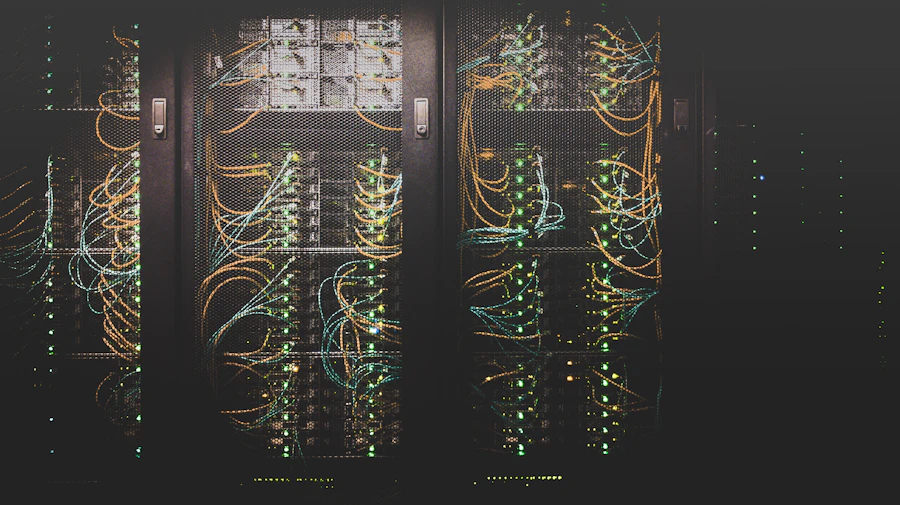
Shared Hosting vs VPS vs Dedicated Server
- Shared Hosting — Like a dormitory. You share all resources with other tenants. Affordable, but performance can suffer if a neighbour hogs the server.
- VPS — Like an apartment. You have your own isolated space. Resources are guaranteed and performance is stable.
- Dedicated Server — Like owning a house. The entire server belongs to you. Most expensive, but the most powerful.
How Does a VPS Work?
A physical server uses virtualisation technology to split itself into multiple VPS instances. Each VPS receives a fixed allocation of resources — for example, 2 CPU cores, 4 GB of RAM, and 80 GB of SSD storage.
Those resources are yours alone. Other VPS users on the same physical server cannot take your allocated share.
When Do You Need a VPS?
- Your website is slowing down on shared hosting
- Visitor traffic keeps growing
- You need to install custom software or configure the server yourself
- Data security is a top priority
- You run an online store or a business application
Benefits of Using a VPS
- Stable performance — Resources won't be taken by other users
- Full control — Install any software your project requires
- Scalability — Easily upgrade resources as your business grows
- Better security — Isolated from other VPS users
- Affordable price — Cheaper than a dedicated server
Conclusion
A VPS is the ideal choice for businesses that have outgrown shared hosting but don't yet need a full dedicated server. With a lower price tag and far better performance, VPS hits the sweet spot for most online businesses.
Need help setting up a VPS? Get a free consultation with the ZidCloud team — we're ready to help from scratch.
Have questions?
Let's discuss your cloud needs together
The ZidCloud team is ready to help with your cloud setup, migration, and management. Free consultation, no commitment.
Consult via WhatsApp